Your go-to resource for SEO insights, strategies, and industry updates. From technical optimization and local SEO to content marketing, agency growth, and AI search visibility, we provide expert guidance to help you succeed in SEO.
The goal of writing blog posts is to get the attention of your target audience and introduce them to your brand. From here, the possibilities are endless—they can join your email list, buy your products, or subscribe to the services you offer.
As SEOs, your priority is to rank your website (or your client’s website) on top of organic search for its target keywords. But to get there, you need to know how your website is currently performing. This is where the SEO site audit process comes in.
Search Engine Optimization (SEO) is a marketing strategy that requires time and patience. You can’t expect your site to rank on top of Google and drive lots of organic traffic within days or even weeks. Most of the time, it could take years before you can see the results of your SEO strategy, which could be frustrating for some.
As the saying goes, the riches are in the niches. It doesn’t matter how good you are at affiliate marketing. You won’t be able to generate sustainable and profitable income if you chose the wrong niche for your website.
As you learn the ropes of affiliate marketing, you will soon find out that not all affiliate programs are built the same way. Some have higher commission rates, abundant promotional materials you can use on your marketing campaigns, and more.
Whether you are establishing canonical pages, changing URL of a page on your website or migrating your website from one domain to another, using 301 redirects allows visitors a smooth user experience while retaining their respective SEO value.
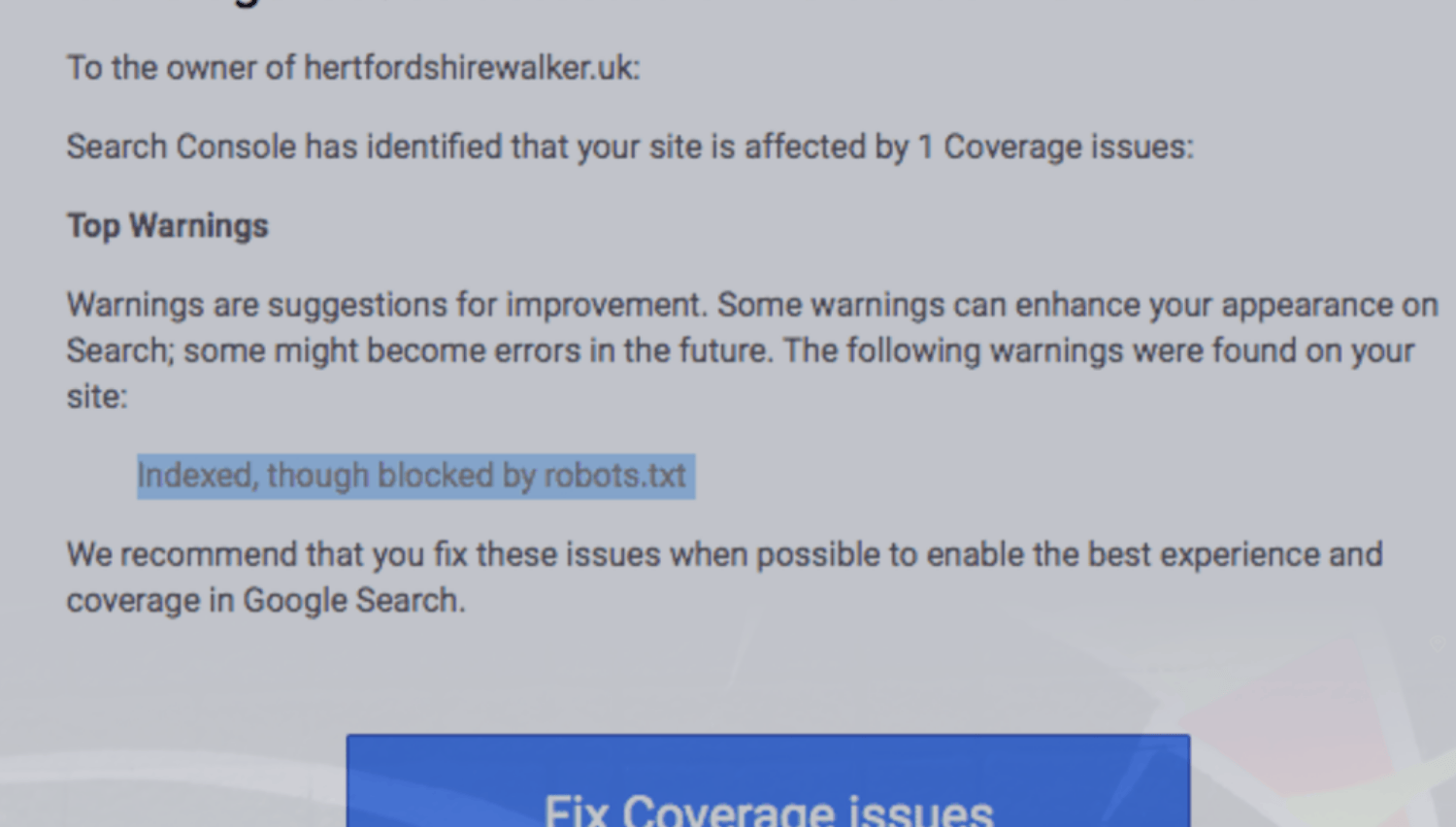
If you have pages on your website that Google indexed but can’t crawl, you will receive an “Indexed, Though Blocked by Robots.txt” message on your Google Search Console (GSC). While Google can view these pages, it won’t show them as part of search engine results pages for their target keywords.
To understand your site’s search performance, you must track where you rank on organic search results. However, what if you want to see how your sites perform on search results for a specific location?